97% of Australians reported that their household bills and expenses have increased over the last 12 months, the highest number in over 10 years of running our CHOICE survey.
Reverse-cycle air conditioning is the cheapest way to heat your home in the long run, but costs a lot upfront; electric heaters are cheap to buy but expensive to run
CHOICE experts share ways to shop smart and hack your heating to keep costs down this winter
Household bills are hitting everyone hard right now: 97% of Australians reported in a CHOICE survey that their household bills and expenses have increased over the last 12 months, the highest number in over 10 years.
And more than three quarters of Australian households are specifically concerned about the cost of electricity. For those who use gas for cooking, heating and other household needs, 71% are concerned about costs.
When it comes to choosing a heating appliance, the cheapest in the short-term versus long-term can be two very different things
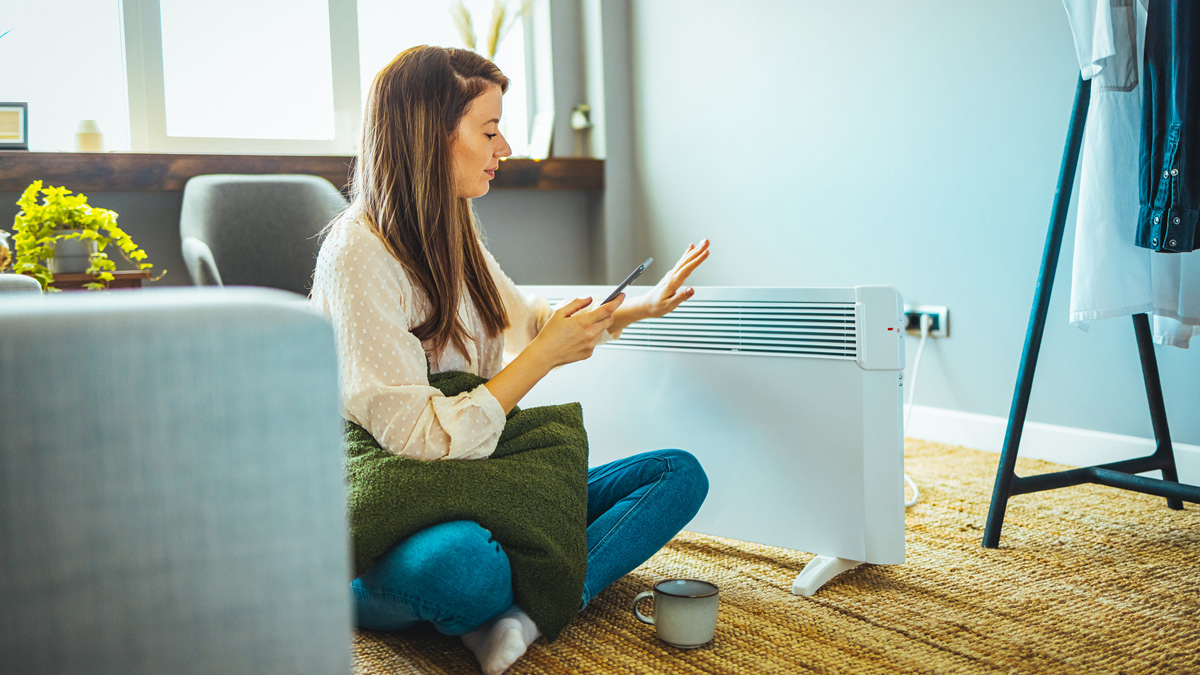
With chilly winter days looming, an issue that’s no doubt front of mind for many of us is: “how much is it going to cost us to heat our homes?”
CHOICE experts say that the type of heating you choose can make a big difference to your energy bills.
For example, running a portable electric heater over winter can cost around twice as much as heating your home using a reverse-cycle air conditioner. And using a different form of keeping warm, such as an electric blanket or electric throw, can be much more affordable.
It’s important to note that when it comes to choosing a heating appliance, the cheapest in the short-term versus long-term can be two very different things.
To help you understand where your cash is going, CHOICE experts break down the costs associated with different types of heating and share helpful tips to help you save money on those household heating bills.
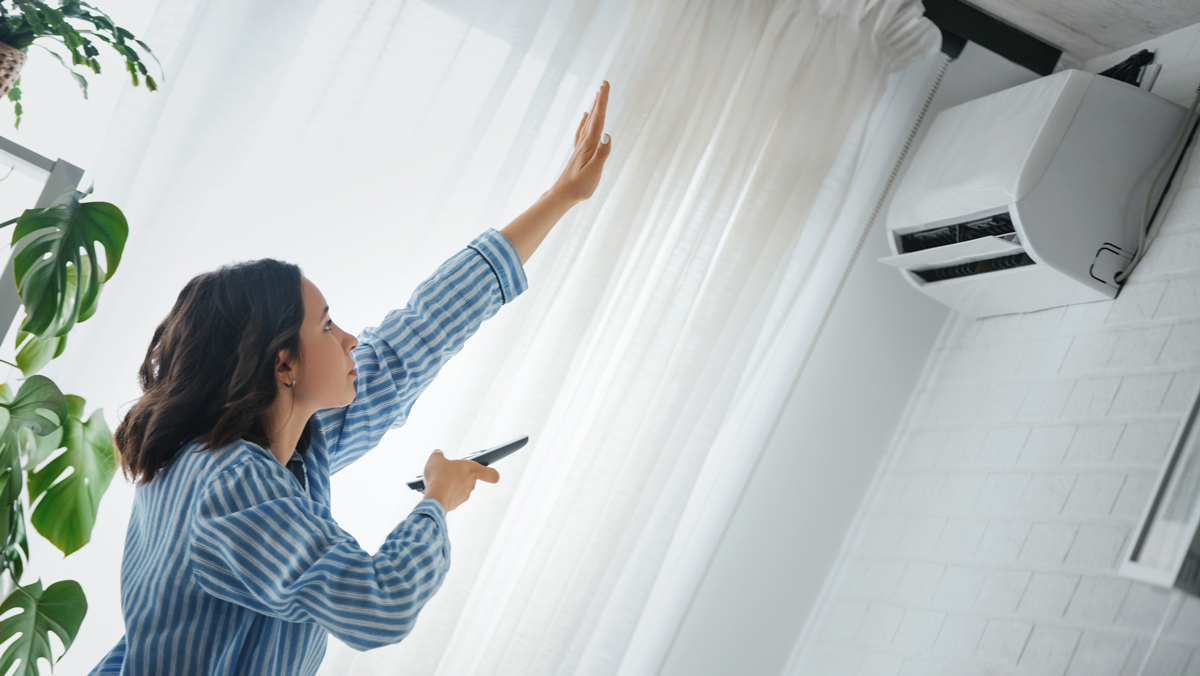
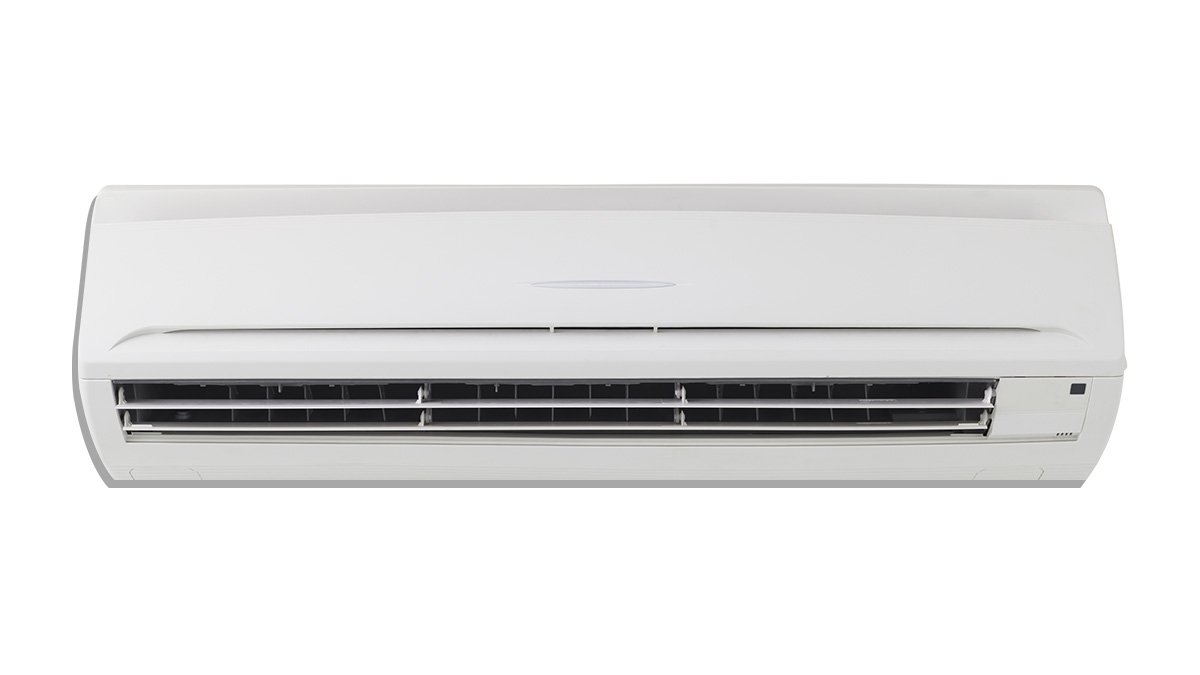
If your home has reverse-cycle air conditioning installed, or you’re a homeowner and you have the money available to get it installed, we have great news: air con is by far the cheapest way to heat your home.
Our estimates show that running a reverse-cycle air conditioner for 12 months can cost less than running an electric heater for just three months over winter.
But (and it’s a big but), if you don’t already have it installed, the upfront cost of air conditioning is much, much higher. You’ll also need to factor in installation time before you can bask in the warmth of your AC.
Running a reverse-cycle air conditioner for 12 months can cost less than running an electric heater for just three months over winter
“On average, you can expect to pay about $2000 for a new split-system air conditioner, but the price range is anywhere from $600 up to $5500, and you also have to factor in at least a few hundred dollars for installation costs,” says CHOICE heating expert Chris Barnes.
“A ducted reverse-cycle air conditioning system costs at least $9000, including installation.
“For a typical freestanding house, the cost of installing ducted air con can easily reach $10,000 or more, depending on the size and type of system you choose. For a large or multi-floor home, you’re looking at $15,000 or more.”
But an added advantage of a reverse-cycle air conditioner is that it’ll keep you cool in the warmer months, too – something an electric heater definitely can’t do!
Text-only accessible version
Reverse-cycle air conditioning
Pros:
Save money: Energy-efficient, and can slash your energy bills compared to electric heaters.
Heats and cools: With dual heating and cooling functions you’ll use it all year round.
Ideal for large open spaces: Perfect for open-plan living.
Bonus features: Fan settings, sensors, and the ability to divide the home into zones.
Can keep the whole family comfy.
Cons:
Big upfront cost: Purchase and installation costs range from $2000 to $15,000.
Time consuming installation process.
Permanent: Not suitable for renters.
2. Gas heating
Gas heating is the next cheapest option to run (at the moment, at least). But gas heaters aren’t suitable for every home – you’ll need to have gas already connected or set up an LPG system. You can’t use them in bedrooms and confined spaces like bathrooms, and some require a flue to vent outside your house (which can be another added cost if you need to install one).
Many people are moving away from using gas heating entirely. Gas is associated with potential health and safety risks in the home and is a polluting fossil fuel that creates greenhouse gases.
Gas heaters aren’t cheap to buy, either. You’re looking at anywhere from $500 up to over $1000. And then they need to be serviced regularly, so that adds to the cost.
Gas is associated with potential health and safety risks in the home and is a polluting fossil fuel
The price of gas is increasing too, so while it may be a relatively cost-effective way to heat your home now, you could end up paying more over time than if you opted for an electric alternative such as air conditioning or a portable electric heater.
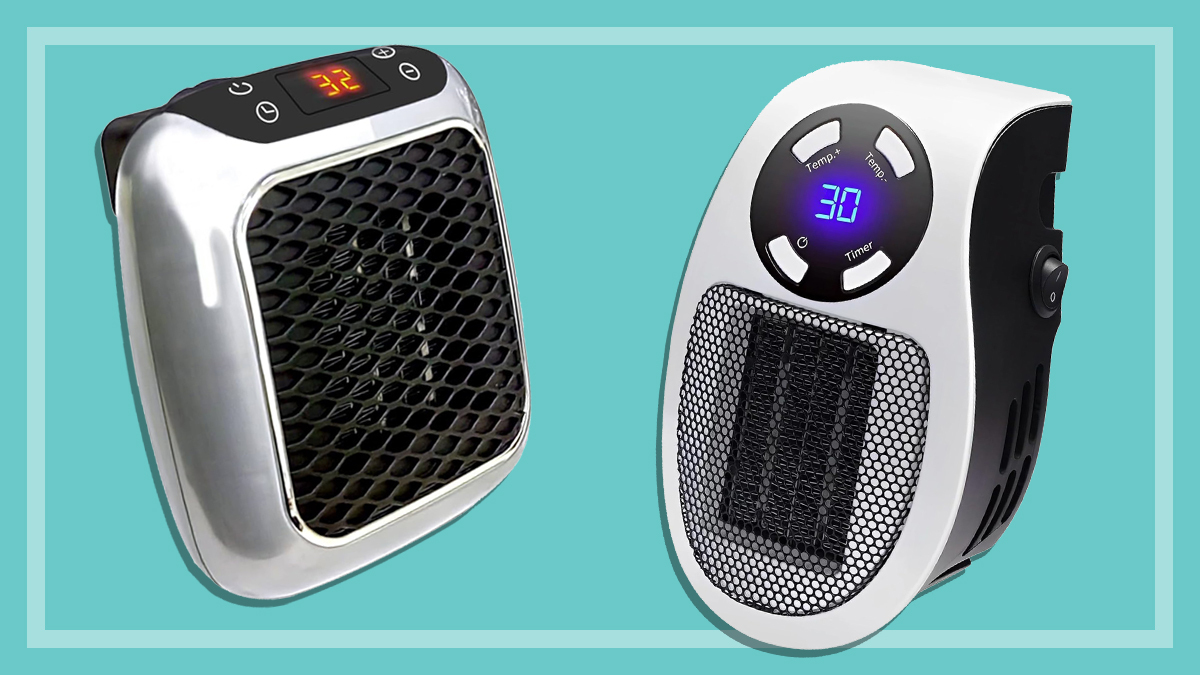
If you’re renting, or simply don’t have a spare couple of thousand to install air con, then an electric heater is your best option. They’re definitely a quick and easy fix when the cold snap hits: they can be cheap to buy, they’re widely available, and they don’t need to be installed.
Portable electric heaters are best suited to use in small spaces and for short periods of time. They’re a great option for renters or strata apartment owners who may not be able to install air conditioning.
Of all the different types of electric heaters, oil column heaters are the cheapest to run – but only by a very slim margin. And they take longer to warm up, so you’ll need to rug up until they’ve heated the room.
Portable electric heaters are a great option for renters or owners of strata apartments who may not be able to install air conditioning
A portable electric heater can cost two to three times as much to run on average than a reverse-cycle air conditioner. You’ll likely see a hike in your energy bills, particularly if you’re running multiple heaters in different rooms.
The cost of running an electric heater over winter can vary by more than $300 between models, depending on the brand, size and design of heater (based on an estimated 500 hours of use and an electricity price of 40c/kWh). More models will soon be added to our electric heater reviews so watch this space and check reviews to compare models before you buy.
Text-only accessible version
Should you buy an electric heater?
Pros:
Low purchase cost: Prices start from $30.
No installation: Electric heaters require no installation beyond plugging them in.
Ideal for small spaces: Perfect for bedrooms.
Ideal for renters: Easily portable and requiring no installation, they’re a great option for renters.
Readily available: Can be found in most home and living stores.
Cons:
Expensive to run: With poor energy efficiency, electric heaters can add a lot to your energy bills.
Only suitable for warming one or two people.
Not effective for large living areas.
Read more at choice.com.au.
How much do different heaters cost to run?
Every home is different and your heating requirements will vary depending on the climate in your area, room size, insulation, and many other factors. But, we’ve crunched some numbers to give you an idea of the price difference between each heating type.
Here’s a comparison of various heating options for a small room:
*Based on 500 hours of use: 6 hours a day for 3 months, with peak pricing at 40c/kWh for electric appliances or 4c/MJh for gas.
So, for the first four years, the reverse-cycle air conditioner will cost more than the electric heater, factoring in purchase price plus running cost. But after that, the air conditioner becomes the far cheaper option. And note that the air conditioner mentioned above is a more powerful heater than the portable model, so it’s able to heat a bigger space.
For the first four years, the reverse-cycle air conditioner will cost more than the electric heater… But after that, the air conditioner becomes the far cheaper option
On the other hand, a cheaper electric heater with slightly higher running costs may be a more feasible option than dropping thousands of dollars on a reverse-cycle air conditioning system if you’re balancing the cost of living month-to-month (or even week-to-week).
Just remember, though, that you’ll see a hike in your electricity bill, particularly if you’re running multiple heaters in different rooms. And if you’re working from home, you’re likely to have your heater on for longer each day.
“The more you use your heater, the more important it is to make sure that it is the most efficient type you can get, and also that you’re using it as effectively as possible,” says Chris.
So if you’re buying an electric heater, how can you keep those power bills as low as possible while still staying warm? Our testing shows you don’t necessarily need to buy a top-of-the-line electric heater.
“Purchase price isn’t always an indicator of better performance or cheaper running costs,” says Chris.
“Among the electric heaters we’ve recommended in the past, some have cost less than $100 and others more than $400, yet their winter running costs tend to be similar at around $300 – and we’ve found other models with similar prices and running costs but which perform much worse.”
Some recommended electric heaters have cost less than $100 and others more than $400, yet their winter running costs tend to be similar
However, a cheap purchase price and low running costs don’t mean much if your heater isn’t effective – a smaller electricity bill in three months’ time is cold comfort if you’re freezing right now.
“Purchase price and running costs are important, but it’s also important that the heater does a good job of spreading the heat effectively throughout the room,” says Chris.
You can view a range of models in our electric heater review, with more models to be added in the coming weeks, so stay tuned.
There’s more to reducing your heating costs than just buying an efficient heater and using it judiciously. A high electricity bill can be a sign that you need to make some changes to how you heat your home.
“If you need to run an electric heater all day, every day to stay warm, it’s a sign that your home is really not thermally efficient,” says Chris.
Try these tips to save money on your heating costs this winter.
1. Ensure your home is properly insulated
While popping on an extra jumper is an easy way to warm up, having a well-insulated home will make the biggest difference to keeping your house warm.
You can lose as much as 35% of your home’s warmth if it’s not insulated, which means that you can rack up the biggest electricity bill ever but still be chilly throughout the winter. Insulation will also keep your home cooler in summer, so it’s worth the investment.
Things like sealing draughts, covering floors with rugs and using curtains can all help to keep the heat in and the cold out.
2. Heat the human before the home
“Wearable heating” is a rapidly expanding trend, with many affordable personal heating products – such as heated throws and blankets, electric blankets, water bottles and even handwarmers – available for people who are feeling the chill but are wary of the big energy bills that come from running an electric heater 24/7.
Running costs for heated throws ranged from just $12 to $18 over a few months
Based on our calculations, you shouldn’t expect to pay more than $48 per season to run a single bed electric blanket (with many costing a lot less than this). This includes pre-heating and leaving it on overnight, every night, for three months. Our electric blanket reviews list running costs for each model. Heated throws are even more economical: for the models we tested, running costs ranged from just $12 to $18 over a few months.
As with any powered product, ensure you follow safety instructions and never leave them unattended.
3. Use your ceiling fan on reverse
You can use a ceiling fan to hack your heating. Modern ceiling fans have a reverse switch, which will make the blades turn clockwise. Since hot air rises, this will push the warm air back down towards the floor.
It’s also important to make sure the warmth from your heater can circulate around the room. As tempting as it might be, that means not sitting on top of the heater (or directly in front of it). And if you’re drying laundry inside, move it back from the flow of hot air so the heater can warm the room more effectively.
4. Be smart with your air conditioner settings
If you have air conditioning installed and you’re using it to heat your home, you’re already one step ahead. Be wary of cranking it right up, though, or you could still find yourself landed with a large electricity bill.
Setting your air con to the optimal temperature will ensure you’re getting the most bang for your buck.
Chris says: “Avoid the temptation to heat a room any more than you need to, so don’t crank it up to 30 degrees. The comfortable sweet spot is about 18-20°C. Every extra degree increases your heating energy use by up to 10 per cent.”
And don’t forget to only heat the rooms you’re actually using and shut the doors to others. Also ensure your air conditioner is clean and well-maintained, to ensure it’s operating as efficiently as possible.
5. Take advantage of the sales
If you haven’t already bought a heater, you could try to hold out until the end of financial year sales (or pick up a more efficient model to replace your existing heater).
If you’re thinking of going for air conditioning, don’t wait until it’s freezing cold or steaming hot to get an air conditioner installed – shop in the off-season.
“If you’re looking to install an air conditioner for your winter heating, it’s a good idea to organise installation ahead of the peak cold season; if you wait until the cold snap really hits, you might have to wait longer,” Chris says.
Know the products to avoid before you shop. Get our free guide and buy smarter.
Pru Engel is the Audience and Engagement editor at CHOICE. Her job is to ensure as many Australians as possible know about the great work we do at CHOICE.
She works closely with our testers and experts to find the gems of information in our data and research that will resonate with Australian consumers and help them make the best decisions, whether they're purchasing an air fryer, looking for a new mattress or trying to find the cheapest car insurance. She also helps to drive meaningful change for consumers by collaborating with our Campaigns team on content covering issues such as grocery pricing, product safety and scams.
Prior to CHOICE, Pru worked as an editor at many of Australia's leading food and lifestyle titles.
Pru has a Bachelor of Arts in Communication (Journalism) from the University of Technology, Sydney.
Find Pru on LinkedIn.
Pru Engel is the Audience and Engagement editor at CHOICE. Her job is to ensure as many Australians as possible know about the great work we do at CHOICE.
She works closely with our testers and experts to find the gems of information in our data and research that will resonate with Australian consumers and help them make the best decisions, whether they're purchasing an air fryer, looking for a new mattress or trying to find the cheapest car insurance. She also helps to drive meaningful change for consumers by collaborating with our Campaigns team on content covering issues such as grocery pricing, product safety and scams.
Prior to CHOICE, Pru worked as an editor at many of Australia's leading food and lifestyle titles.
Pru has a Bachelor of Arts in Communication (Journalism) from the University of Technology, Sydney.
Find Pru on LinkedIn.
Alice Richard is a Content creator and marketer. Alice writes on a range of topics, from health insurance to heaters and BBQs to bargain-hunting, always with the aim to help consumers find the best products to buy, and which to avoid.
Alice can take vast amounts of data from CHOICE product tests and turn it into content that is easily digestible and fun for readers.
Alice has a Bachelor of Arts from the University of Queensland. LinkedIn
Alice Richard is a Content creator and marketer. Alice writes on a range of topics, from health insurance to heaters and BBQs to bargain-hunting, always with the aim to help consumers find the best products to buy, and which to avoid.
Alice can take vast amounts of data from CHOICE product tests and turn it into content that is easily digestible and fun for readers.
Alice has a Bachelor of Arts from the University of Queensland. LinkedIn
For more than 60 years, CHOICE has been fighting the good fight for Australian consumers.
In the past year alone we've uncovered systemic issues with sunscreens, investigated shonky supermarket pricing, fought for stronger scam protections and helped make complex energy pricing fairer and clearer.
CHOICE is here to provide unbiased advice and independent testing in our world-class labs. We buy the products we test, just like you do, and our expert reviews are influence free. We’re here to help you choose smarter. Hopefully you’ll also save some money along the way.
Thanks to CHOICE, you’ll never be alone when a business treats you unfairly. You can support our work by joining or donating to our cause.