You probably associate humidity with that sticky, sweaty feeling in summer, but it’s not just a hot-weather thing.
After a run of wet winters, the 2026 cold season is forecast to be a relatively dry one, thank goodness, but no matter the weather outside, there’s still always a chance of humidity inside your home.
High levels of humidity create the perfect environment for mould, mildew and dust mites to flourish, which can trigger asthma and other health problems, and the humidity can also cause damage to your home and your belongings.
If you have persistent problems such as rising damp, poor ventilation or ongoing high humidity, or if your home has been hit by a flood, leak or other water damage, a dehumidifier can help set things right.
Here’s what you need to know about how a dehumidifier can help you this winter.
“Dehumidifiers are a good option if you have persistent humidity or dampness problems, or if your home has been affected by a flood or leak and you’re trying to dry it out,” says CHOICE household expert Chris Barnes.
But a good dehumidifier isn’t cheap: the models that CHOICE experts have tested range in price from $200 to $1700.
“They’ll also add to your electricity bill as they can use a fair bit of power, which will add up if you have to run them for long periods of time,” says Chris.
They can be expensive to buy and run, but if you can afford one it may save you from costly repairs or health problems in the long run
Chris Barnes, CHOICE household expert
So is the money worth it? It largely depends on how big your property is, how big your damp problem is, and how big your budget is.
“Yes, they can be expensive to buy and run, but if you can afford one it may save you from costly repairs or health problems in the long run.”
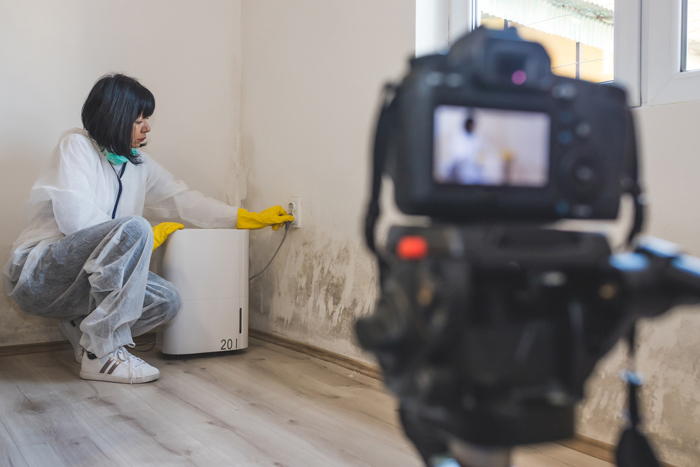
A dehumidifier can help prevent the build up of mould in your home.
How do I know if I need a dehumidifier?
Obviously you’ll be well aware if your house has had a major leak, been flooded, or had some other kind of water ingress.
But if you suspect your home has other damp issues, these are the signs to look out for:
Condensation on windows and walls
Musty smells
Mould
Mildew
And if you’re allergic to mould or dust mites, you might notice an increase in your allergy symptoms.
The National Asthma Council Australia says that the humidity in your home should ideally be between 30% and 50%.
Humidity levels above 70% are perfect for dust mites and mould (although mould can grow anywhere above 55%), so bringing the humidity down with a dehumidifier can help keep them under control.
You can use an instrument called a hygrometer to check the humidity levels in your home if you’re concerned that they might be too high.
CHOICE tip: Most air purifiers don’t remove moisture but they can help remove airborne mould spores, so they will be of some use if there’s mould about.
Chances are you’ll be keeping windows and doors shut to keep the cold out this winter, but unfortunately it’ll also keep the humid air in.
Many of our winter habits can mean more moisture inside our homes, so even if you didn’t already have issues with dampness, you might find that they start to crop up in winter due to these factors.
Here are some things that can bump up the humidity:
Using the clothes dryer more often, especially if you have a vented dryer that pumps hot, moist air back out into the room
Hanging your laundry indoors because it’s too cold or wet for it to dry outdoors
Using unflued gas heaters which release water vapour into the air (they can also affect indoor air quality by releasing pollutants into the air, so they’re not a great idea anyway)
Having longer, hotter showers
In an ideal world, you could carry out renovations to improve air flow and prevent moisture building up, but if you can’t afford to or if you’re renting, a dehumidifier is your best weapon against the wet.
Dehumidifiers are helpful for reducing overall humidity inside your home, but they can also serve another purpose that you might not know about.
If you’re drying your laundry indoors, a dehumidifier can help your clothes dry faster and reduce or prevent the buildup of mould and dust that can result from drying your laundry indoors.
If you’re drying your laundry indoors, a dehumidifier can help your clothes dry faster
This laundry function helps dry washing more efficiently by pulling excess moisture from the air. They’re no match for tumble dryers, but they’re still a great option if you don’t have outdoor drying space, especially during colder months.
“The moisture has to go somewhere, and if your home doesn’t have good airflow to let moist air escape, you can end up with damp walls and furniture – perfect conditions for mould,” says Chris.
If you can’t afford to buy a dehumidifier, there are a few things that’ll help bring down air humidity levels in your home. Unfortunately they won’t be as effective, but they’re better than not doing anything at all.
If you do have a dehumidifier, you can also use these tricks to boost its effectiveness.
Air conditioning
If you’ve been paying attention to CHOICE experts, you’ll already know that reverse-cycle air conditioning is the most efficient way to heat your home in winter. (And if this is your first time here, now you know!)
But it’s also helpful to keep moisture levels in your home down, too.
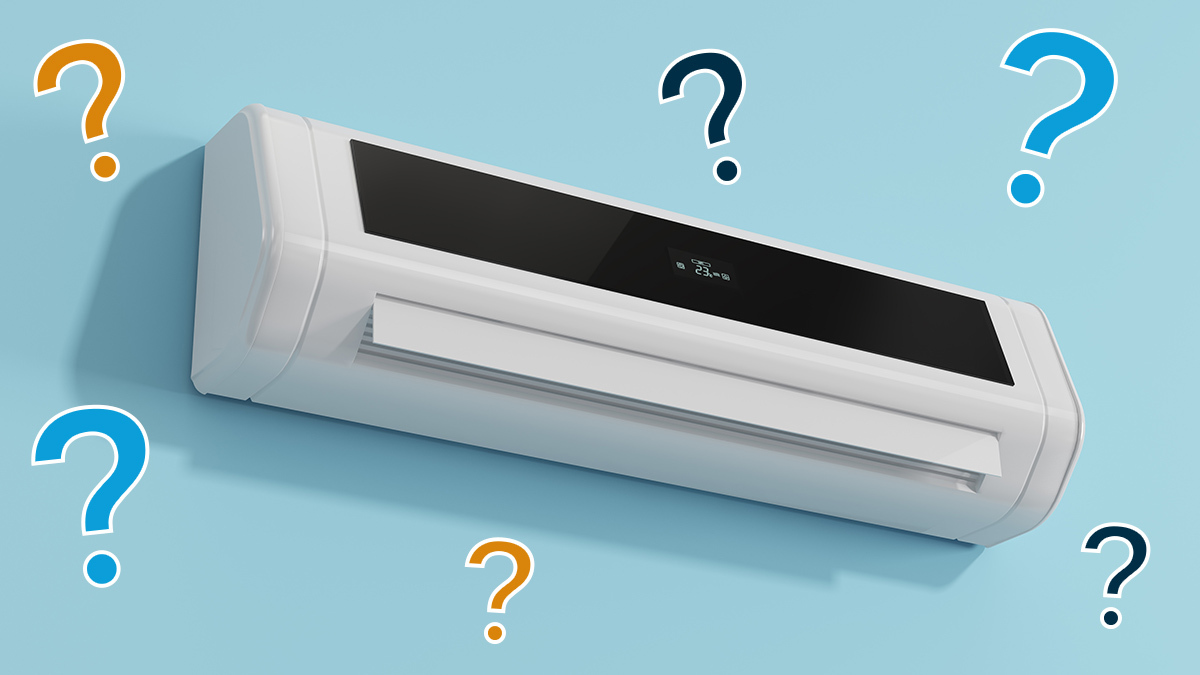
Many air con units have a “dry” mode which you can run when things get steamy, both in summer and in winter. Dry mode is a mild cooling mode that focuses on dehumidification, and works best when the indoor air is humid but not too hot or cold.
If you’re dealing with persistent damp problems, you may need a separate dehumidifier as well to run in rooms that aren’t air conditioned.
“Heating mode doesn’t specifically remove moisture, but by warming the air it lowers the relative humidity, which makes the air able to hold more water,” Chris says.
“This will make the air feel drier and more comfortable, but the airborne water is still there. You may still need ventilation or dehumidification.”
Fans
Anything you can do to improve air flow will help minimise mould and mildew, so if you can’t afford a dehumidifier, running ceiling fans or pedestal fans is worth a shot.
(Hot tip: turning your ceiling fans to reverse mode will help push the warm air down, making your heating more efficient.)
An exhaust fan in the bathroom is vital for removing humid air, and a rangehood that vents air outside will get rid of any moisture created from cooking, and especially from gas cooktops (read our guide to switching from gas to an induction cooktop if you’re looking to improve you kitchen air quality).
Unfortunately recirculating rangehoods will just blow the humid air back out into the kitchen, so a ducted rangehood is a much better option.
DampRid
If you’re dealing with low-level damp problems or just a small area in your house, you could try a desiccant product like DampRid. It’ll set you back around $6.50 per pack, rather than the hundreds of dollars that dehumidifiers cost.
We put DampRid to work in a chamber about the size of a closet that was set to 80% humidity (with a fan for air movement) to see how it fared, and it didn’t do too badly: in three days it had collected nearly half a cup of water and reduced the humidity to 43%.
It’s certainly no match for a dehumidifier (even one that doesn’t perform well), but it could be a more affordable solution for occasional or low-level damp problems, even if you need to buy a few packs.
If you’ll be running a dehumidifier a lot in living areas, you might want to opt for a quieter model.
Will a dehumidifier help after a flood, leak or water damage?
A dehumidifier can certainly help after a flood or a water leak in your home. They won’t pump water out of the house, but they will help remove water from the air, to keep the indoor humidity down to a comfortable level.
If your home furnishings have been soaked by floodwater, then running a dehumidifier in the room will help to dry them out faster.
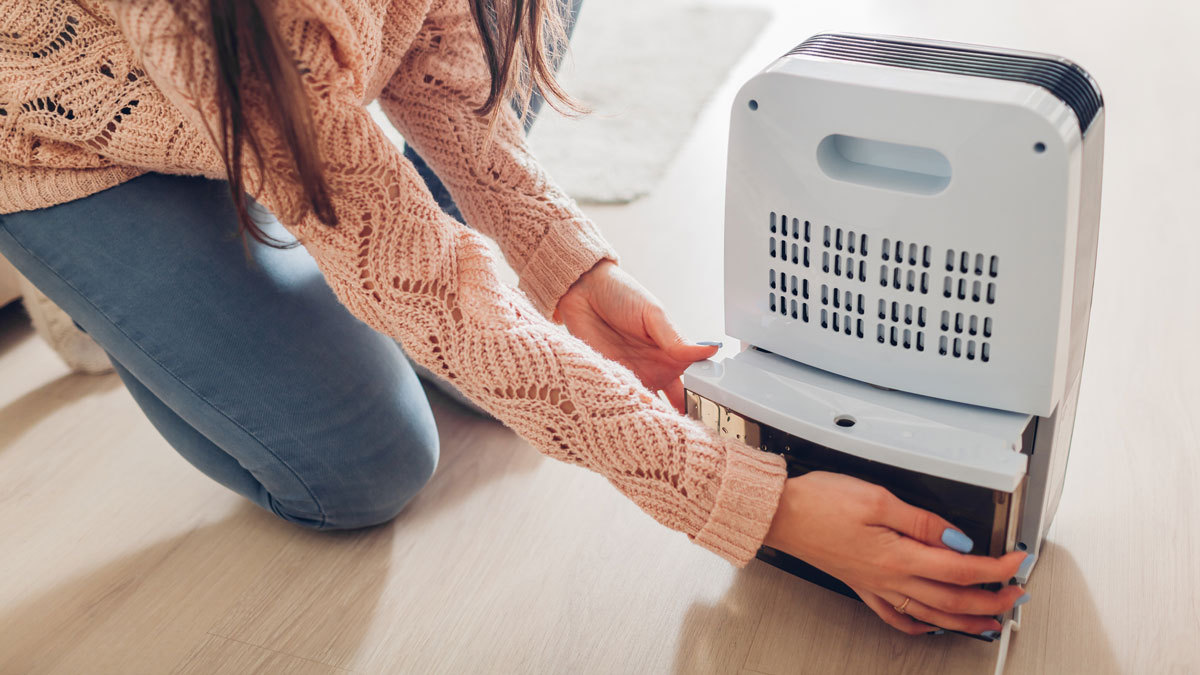
You’ll want a model with a large water collection tank, since it’ll be pulling a lot of water from the air (be prepared to empty the tank frequently), or one with continuous drainage (with a drainage hose connected to empty straight into a drain).
But be warned – any carpet or furniture that’s been badly water damaged will probably be beyond the powers of the dehumidifier to help.
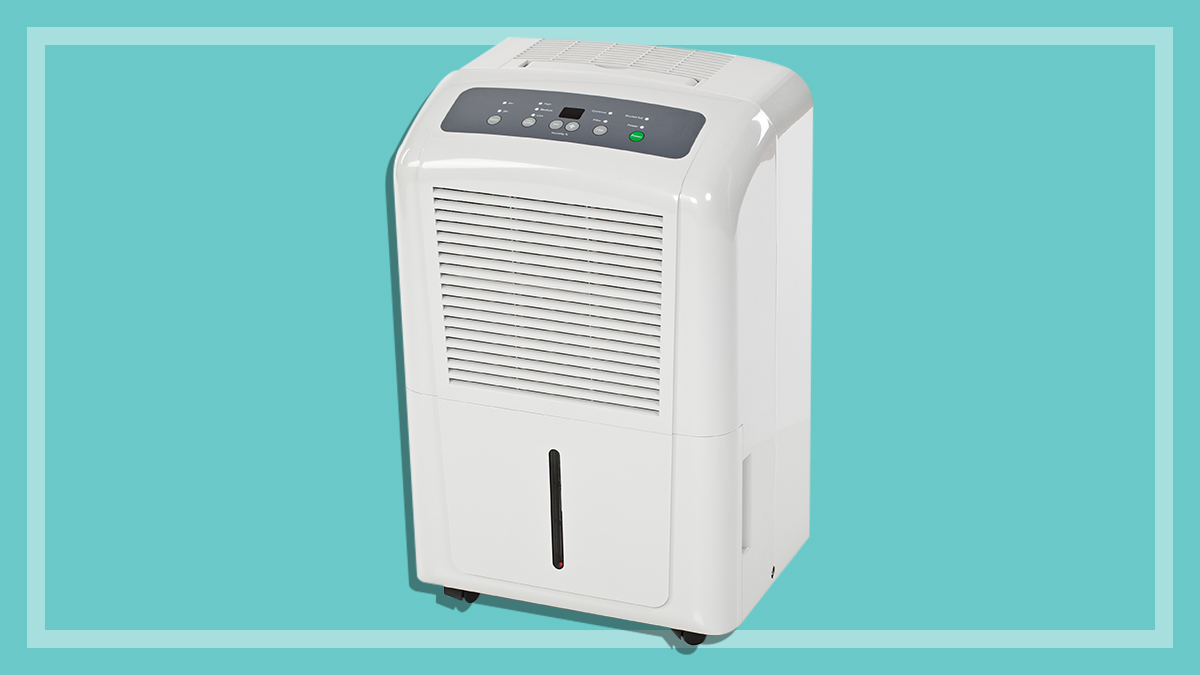
There are two main types of dehumidifiers: refrigerants and desiccants.
Refrigerant dehumidifiers
“These use the same technology as a fridge,” says Chris. “They draw in air, cool it to condense the water it contains, then warm it and blow it back out.
“This process works better with warm air, so you’ll see the best performance in moderate or warmer climates. However, the warmer air they release might be undesirable in hot climates.”
Refrigerant models tested in our dehumidifier product reviews were more energy efficient than desiccant models, had larger tanks and better water removal. But they were also larger, heavier and noisier.
Desiccant dehumidifiers
“These models use a slowly rotating disc or belt of material that absorbs moisture from the air,” says Chris.
“The damp section then moves through a drying process, which evaporates the water and collects it in a tank.”
Desiccant models tend to perform similarly no matter what the air temperature is, so they can be a better option in cooler climates, where a refrigerant model may struggle.
The desiccants we tested typically had a higher running cost and smaller tanks, but tended to be lighter, more compact and more portable.
Pru Engel is the Audience and Engagement editor at CHOICE. Her job is to ensure as many Australians as possible know about the great work we do at CHOICE.
She works closely with our testers and experts to find the gems of information in our data and research that will resonate with Australian consumers and help them make the best decisions, whether they're purchasing an air fryer, looking for a new mattress or trying to find the cheapest car insurance. She also helps to drive meaningful change for consumers by collaborating with our Campaigns team on content covering issues such as grocery pricing, product safety and scams.
Prior to CHOICE, Pru worked as an editor at many of Australia's leading food and lifestyle titles.
Pru has a Bachelor of Arts in Communication (Journalism) from the University of Technology, Sydney.
Find Pru on LinkedIn.
Pru Engel is the Audience and Engagement editor at CHOICE. Her job is to ensure as many Australians as possible know about the great work we do at CHOICE.
She works closely with our testers and experts to find the gems of information in our data and research that will resonate with Australian consumers and help them make the best decisions, whether they're purchasing an air fryer, looking for a new mattress or trying to find the cheapest car insurance. She also helps to drive meaningful change for consumers by collaborating with our Campaigns team on content covering issues such as grocery pricing, product safety and scams.
Prior to CHOICE, Pru worked as an editor at many of Australia's leading food and lifestyle titles.
Pru has a Bachelor of Arts in Communication (Journalism) from the University of Technology, Sydney.
Find Pru on LinkedIn.
Alice Richard is a Content creator and marketer. Alice writes on a range of topics, from health insurance to heaters and BBQs to bargain-hunting, always with the aim to help consumers find the best products to buy, and which to avoid.
Alice can take vast amounts of data from CHOICE product tests and turn it into content that is easily digestible and fun for readers.
Alice has a Bachelor of Arts from the University of Queensland. LinkedIn
Alice Richard is a Content creator and marketer. Alice writes on a range of topics, from health insurance to heaters and BBQs to bargain-hunting, always with the aim to help consumers find the best products to buy, and which to avoid.
Alice can take vast amounts of data from CHOICE product tests and turn it into content that is easily digestible and fun for readers.
Alice has a Bachelor of Arts from the University of Queensland. LinkedIn
For more than 60 years, CHOICE has been fighting the good fight for Australian consumers.
In the past year alone we've uncovered systemic issues with sunscreens, investigated shonky supermarket pricing, fought for stronger scam protections and helped make complex energy pricing fairer and clearer.
CHOICE is here to provide unbiased advice and independent testing in our world-class labs. We buy the products we test, just like you do, and our expert reviews are influence free. We’re here to help you choose smarter. Hopefully you’ll also save some money along the way.
Thanks to CHOICE, you’ll never be alone when a business treats you unfairly. You can support our work by joining or donating to our cause.